
A home should support daily life, not constantly pull attention away from it. Yet for many homeowners, maintenance starts to feel like a never-ending list of small tasks that turn into expensive problems. A loose cabinet hinge becomes a damaged door. A clogged gutter becomes a water stain. A neglected filter becomes an uncomfortable room and a higher utility bill.
The good news is that an easier-to-maintain home is usually not about doing more. It is about making smarter choices ahead of time. Durable materials, better access, simple routines, and thoughtful upgrades can all reduce the amount of work your home demands from you.
Instead of waiting for something to break, homeowners can make upkeep easier by focusing on prevention, organization, and long-term function. The goal is not perfection. It is a home that is simpler to clean, easier to inspect, and less likely to surprise you with avoidable repairs.
Planning Seasonal Care Before Problems Grow

One of the easiest ways to make home maintenance less stressful is to stop treating every task like an emergency. A seasonal maintenance calendar gives you a simple structure for staying ahead of common issues without trying to remember everything at once.
Think of it as a rhythm for your home. In spring, you might check drainage, clean outdoor surfaces, and inspect screens. In summer, you may focus on cooling systems, landscaping, and exterior wear. Fall is a good time for gutters, insulation checks, and weatherproofing. Winter calls for monitoring pipes, indoor air quality, and signs of moisture.
Many homeowners only think about comfort systems once the house is already too hot or too cold. Scheduling inspections with HVAC contractors before peak season can help catch worn parts, clogged drains, airflow problems, and efficiency issues early.
The same idea applies overhead. Having roofers inspect shingles, flashing, gutters, and attic ventilation can reveal small vulnerabilities before they lead to leaks or interior damage.
Keep records as you go. Save receipts, photos, warranty details, inspection notes, and repair dates in one digital folder. Over time, this becomes a maintenance history for your home, which makes future decisions easier.
Choosing Durable Materials for Everyday Wear
A low-maintenance home often starts with the surfaces you touch, clean, and use every day. Some materials look beautiful in a showroom but require constant sealing, polishing, or delicate care. Others are designed to handle spills, heat, moisture, and daily traffic with much less effort.
Kitchens are a perfect example. A durable kitchen countertop can make everyday cleanup faster and reduce the stress of normal family use. When choosing a surface, look beyond color and style. Ask how easily it stains, whether it needs sealing, how it handles heat, and what cleaners are safe to use.
Professional countertop installation also matters. Even a strong material can become frustrating if seams are poorly placed, edges are uneven, or the surface is not properly supported. Good installation helps prevent gaps, shifting, water intrusion, and other issues that can shorten the life of the material.
The same mindset applies throughout the house. In busy spaces like bathrooms, laundry rooms, mudrooms, and entryways, choose materials that can handle moisture and frequent cleaning. Smooth backsplashes, water-resistant flooring, washable paint, and simple trim profiles can all make routine upkeep faster.
Simplifying Outdoor Spaces With Smarter Design
Outdoor maintenance can quickly become one of the most time-consuming parts of homeownership. Lawns need mowing, shrubs need trimming, beds need weeding, and hardscapes collect dirt and debris. The key is not necessarily to remove outdoor beauty, but to design it in a way that matches the amount of care you realistically want to provide.
A yard becomes easier to maintain when each area has a clear purpose. Instead of large stretches of grass that need constant watering and mowing, consider defined planting beds, mulch, gravel paths, native plants, or ground covers suited to your climate.
A backyard landscaper can be especially helpful when homeowners feel overwhelmed by an outdoor space that has become too labor-intensive. The right plan might group plants by water needs, improve drainage, reduce difficult mowing areas, or replace high-maintenance features with more practical alternatives.
Homeowners with pools face another layer of upkeep. Water balance, filters, pumps, debris, and seasonal care all require consistency. Working with a local pool company can make maintenance more predictable, especially if you are unsure how to spot early equipment issues.
Small design choices also make a difference. Keep trees trimmed away from rooflines and pool areas. Add storage for cushions, tools, and outdoor supplies. Use drip irrigation in planting beds instead of relying on hand watering.
Preventing Exterior Damage With Routine Checks
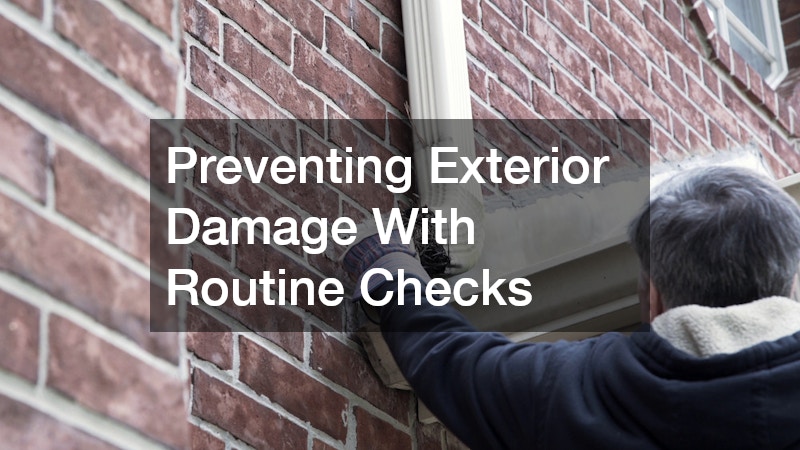
The outside of a home works hard every day. Sun, rain, wind, soil movement, pests, and temperature changes all take a toll. Exterior problems often start small, but they can spread quickly when ignored.
A simple walkaround once a month can help you catch problems early. Look for peeling paint, soft wood, cracks in caulk, loose hardware, standing water, clogged drains, leaning posts, rust, and signs of pest activity.
Fencing is a good example. Quality fence installation can reduce future maintenance by ensuring posts are properly set, panels are aligned, drainage is considered, and materials are appropriate for the property.
A local fence contractor can also recommend materials based on local weather, soil conditions, and the level of upkeep you prefer. Wood may offer a classic look but needs periodic sealing or staining. Vinyl, metal, or composite options may reduce maintenance depending on the home’s style and environment.
To make exterior care easier, rinse dirt from fencing seasonally, keep vines from trapping moisture against surfaces, touch up exposed areas before they expand, and check gate hinges before sagging strains the posts.
Making Interior Spaces Easier to Clean
A home can be harder to maintain simply because of how it is laid out. Awkward corners, poor storage, tight pathways, dim lighting, and hard-to-reach fixtures all make cleaning and repairs more frustrating than they need to be.
Sometimes the issue is obvious. A narrow laundry room becomes a catchall for clutter. A kitchen lacks enough storage, so counters stay crowded. A bathroom has poor ventilation, so moisture lingers after every shower.
A home remodeling contractor can help homeowners think beyond appearance and focus on function. Remodeling is often framed as a style upgrade, but it can also make a home much easier to care for. Better storage, improved lighting, moisture-resistant materials, accessible plumbing, and wider walkways all reduce friction in daily routines.
Picture a family entryway where shoes pile up by the door every afternoon. Adding built-in storage, hooks, a bench, and durable flooring may not seem dramatic, but it can make cleaning easier every day. The best interior upgrades solve recurring annoyances instead of simply changing how a room looks.
Protecting the Home From Moisture
Water is one of the biggest threats to a home because it rarely stays in one place. A small leak can move behind walls, under flooring, into insulation, or along framing before it becomes obvious.
Preventing water damage starts with paying attention to how water moves around and through the home. Gutters should carry water away, not dump it near the foundation. Downspouts should extend far enough to prevent pooling. Soil should slope away from the house. Window and door caulking should be intact.
Proper roof installation is also essential for long-term moisture protection. It is not only about shingles. Flashing, underlayment, ventilation, drip edges, and drainage all work together to keep water out.
Inside the home, pay attention to quiet warning signs. A musty smell under a sink, a small ceiling stain, bubbling paint, or a warped baseboard should never be ignored. Practical habits like checking under sinks, cleaning gutters seasonally, looking in the attic after storms, and knowing where the main water shutoff valve is located can prevent major disruption.
Investing in Systems That Reduce Chores

Not every home upgrade needs to be large or expensive. Some of the most helpful improvements are small systems that reduce repetitive chores or alert you before something goes wrong.
A smart thermostat can help manage comfort more efficiently. Leak detectors can warn you about water under sinks, behind appliances, or near a water heater. Motion-sensor lights can make garages, closets, and exterior areas easier to use. Programmable irrigation can keep outdoor watering consistent without requiring daily attention.
The point is not to fill the home with technology for its own sake. A low-maintenance system should make life simpler, not add another confusing app or device to manage. Choose upgrades that solve a real problem in your household.
Labeling is another underrated system. Label the breaker panel clearly. Mark shutoff valves. Keep appliance manuals and model numbers in one place. Store filters where they are easy to find. The easier a task is to start, the more likely it is to get done.
Creating Better Access to Important Areas
Many maintenance tasks are delayed because the area is inconvenient to reach. The air filter is behind a stack of boxes. The attic light does not work. The crawl space access is blocked. The breaker panel is hidden behind storage.
Improving access does not have to be complicated. Start by identifying the places you avoid. Utility closets, garages, attics, crawl spaces, under-sink cabinets, and mechanical rooms are common trouble spots.
Leave clear space around water heaters, furnaces, electrical panels, and shutoff valves. Add lighting where visibility is poor. Store ladders, flashlights, batteries, and basic tools where they can be reached quickly. Use clear bins for seasonal supplies so you do not have to unpack half the garage to find one item.
This is also where a simple home binder or digital document becomes useful. Include paint colors, appliance models, warranty details, service records, filter sizes, and photos of important shutoffs.
Reducing Clutter Before It Creates Work
Clutter is not just a visual problem. It makes a home harder to clean, harder to inspect, and harder to repair. Dust collects behind piles of stored items. Leaks go unnoticed under crowded sinks. Garages become so full that tools and supplies disappear when they are needed most.
Reducing clutter does not mean creating a perfect, magazine-ready home. It means making your spaces functional enough that upkeep becomes easier.
Start with the areas that affect maintenance most: utility rooms, garages, closets, entryways, laundry areas, and under-sink cabinets. These spaces often hide early signs of problems. When they are packed too tightly, you may miss pests, moisture, odors, or damage.
A simple approach is to create zones. Keep cleaning supplies together. Store outdoor tools in one area. Place seasonal decor in labeled containers. Keep repair supplies, batteries, tape, gloves, and basic hardware in a consistent spot.
One realistic rule is to keep floors as clear as possible in storage areas. Wall-mounted shelves, hooks, and vertical storage can free up floor space and make it easier to sweep, inspect, and move around.
Building a Reliable Home Contact List

When something goes wrong at home, the worst time to start searching for help is in the middle of the problem. A reliable contact list can save time, reduce stress, and help homeowners make better decisions under pressure.
This list should include trusted repair professionals, utility providers, warranty contacts, insurance information, appliance support numbers, and emergency services. Add notes about past work, project dates, costs, and whether you would hire the person again.
It helps to store this list in more than one place. Keep it in your phone, but also save it in a shared household document so another family member can access it if needed. For larger repairs or upgrades, take before-and-after photos and keep copies of estimates, invoices, permits, and warranties.
The real value of a contact list is confidence. When an issue comes up, you already know the next step instead of scrambling to figure out who to call.
Keeping Upkeep Simple Over Time
Making a home easier to maintain does not require a dramatic transformation. In most cases, it happens through a series of practical decisions: choosing materials that hold up, organizing the areas you use most, improving access to important systems, and staying ahead of seasonal tasks.
Start with the part of your home that causes the most frustration. Maybe it is the yard, the kitchen, the garage, or a recurring repair that never seems fully resolved. Focus there first. One thoughtful improvement can make daily life easier and give you momentum to keep going.
The best maintenance plan is one you can realistically follow. It should fit your schedule, your budget, and the way your household actually functions. When upkeep is simple, visible, and manageable, your home becomes less stressful to care for and more enjoyable to live in.
A well-maintained home is not one where nothing ever goes wrong. It is one where small problems are easier to spot, routine tasks are easier to complete, and the space is designed to support real life.