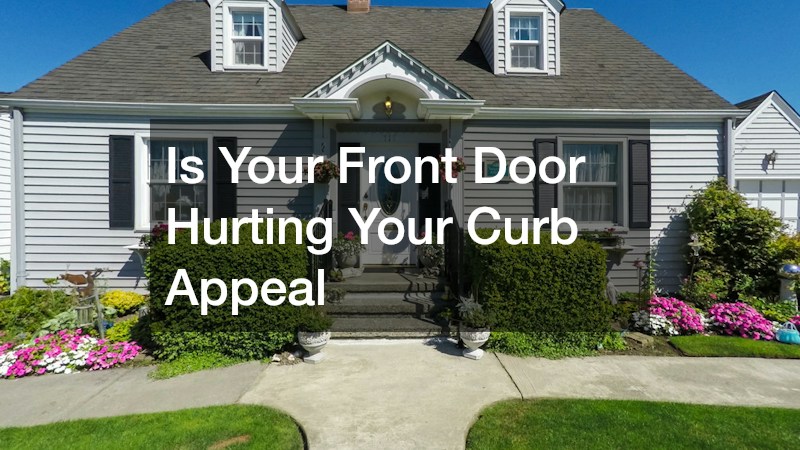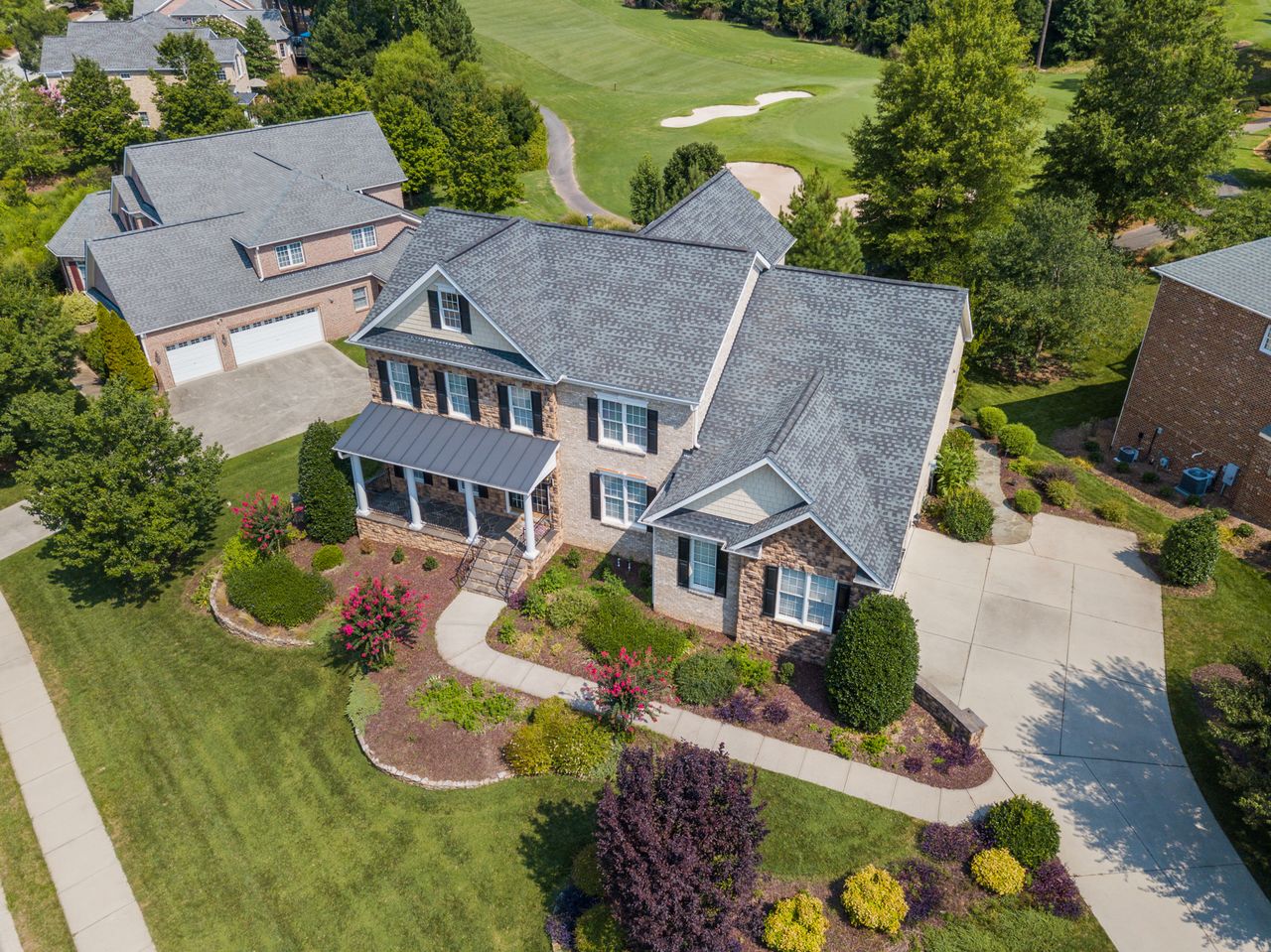
Key Takeaways
- Start with basic cleanup and maintenance before investing in new exterior features.
- Use layered landscaping, well-maintained garden beds, and suitable plants to create a balanced front yard.
- Keep walkways clear, well-defined, and easy to navigate while improving the entrance with coordinated planters or decorative details.
- Upgrade visible exterior elements such as house numbers, mailboxes, lighting, door hardware, and railings for a more polished appearance.
- Use outdoor lighting strategically to highlight pathways, landscaping, and the home’s entrance after dark.
- Prioritize affordable improvements such as cleaning, trimming, repainting, refreshing garden beds, and replacing worn hardware.
- Maintain improvements throughout the year with regular trimming, cleaning, seasonal care, and timely repairs.
The front of your home creates an immediate impression, often before visitors reach the front door. A well-maintained yard, attractive walkway, healthy landscaping, and thoughtfully chosen exterior details can make an ordinary property feel more welcoming and cared for. Improving curb appeal does not always require a major renovation or a large budget. Small changes, such as refreshing garden beds, improving outdoor lighting, cleaning exterior surfaces, or updating house numbers, can make a noticeable difference. The key is to focus on improvements that work together rather than adding too many unrelated features. With the right combination of landscaping, maintenance, color, lighting, and decorative details, homeowners can create a more attractive and inviting exterior.
What Makes a Front Yard Look More Attractive?
A successful front yard combines several elements into a cohesive outdoor space. Landscaping, pathways, the lawn, exterior surfaces, lighting, and architectural details should complement one another rather than compete for attention. Even a small property can benefit from thoughtful organization and regular maintenance.
The first step is to evaluate the yard from the street. Look at the property during the day and evening and identify anything that appears neglected, damaged, overgrown, or visually disconnected. This simple assessment can reveal opportunities that may not be obvious when viewing the property from inside.
Start With a Clean and Tidy Yard
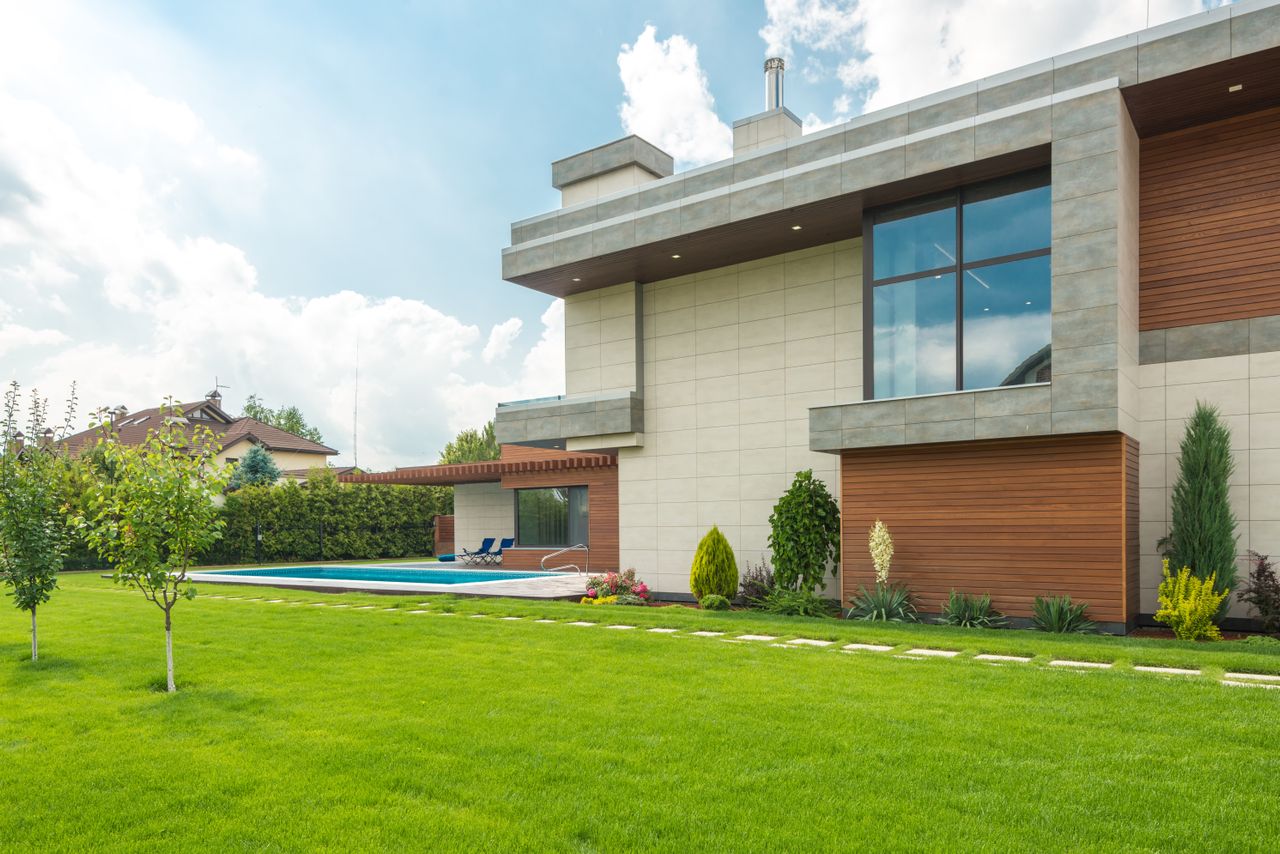
Before purchasing new plants or decorative features, take care of basic maintenance. Remove weeds, collect fallen branches, trim overgrown vegetation, and clear unnecessary objects from the front yard.
Pay particular attention to areas visitors naturally notice, including:
- Garden beds: Remove weeds and dead plants while refreshing visible areas with appropriate mulch.
- Lawn: Mow regularly and address visibly bare or damaged areas where practical.
- Trees and shrubs: Remove dead or damaged branches and keep plants from blocking windows or walkways.
- Walkways: Sweep away dirt, leaves, and debris and address visible stains when possible.
- Driveway: Remove weeds from cracks and clean noticeable buildup.
A clean foundation gives every other improvement a stronger visual impact.
Create a Clear Visual Path to the Entrance
The route from the sidewalk or driveway to the entrance should feel intentional. A walkway that is difficult to see or surrounded by overgrown vegetation can make the property feel less welcoming.
Use edging, low-growing plants, lighting, or carefully positioned containers to define the route without making it feel crowded. The goal is to guide visitors naturally toward the entrance.
Which Landscaping Changes Can Make the Biggest Difference?
Landscaping is one of the most visible components of a front yard. However, improving landscaping does not mean filling every available space with plants. A more effective approach is to create balance by combining different heights, textures, shapes, and seasonal characteristics.
Before planting, consider the amount of sunlight, drainage conditions, available space, and maintenance requirements. Plants that look attractive at a garden center may not be suitable for the conditions in a particular yard.
Add Layers With Plants
A layered landscape can create depth and make the yard look more intentional. Taller plants or small trees can form a background, medium-height shrubs can provide structure, and smaller plants can define borders.
Avoid placing tall plants where they will eventually block windows, entrances, or important architectural features. Consider the mature size of each plant rather than designing only around its current appearance.
Use Mulch to Define Garden Beds
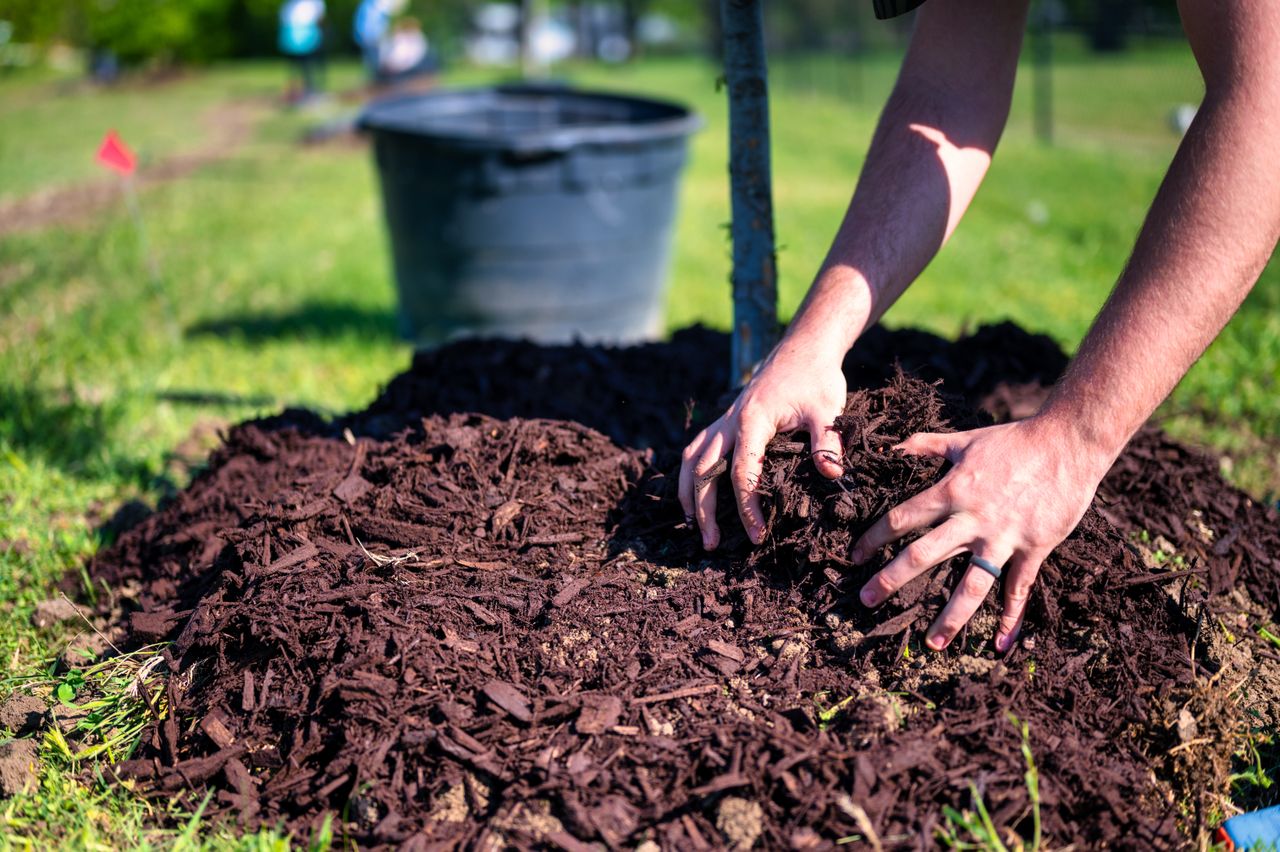
Fresh mulch can immediately make planting areas look cleaner and more organized. It also helps create a visual separation between plants and surrounding lawn or hardscape.
Keep mulch away from direct contact with tree trunks and avoid creating excessively deep layers. The purpose is to improve the appearance and condition of the planting area without creating maintenance problems.
Choose Plants for More Than One Season
A front yard can look attractive throughout the year when plants are selected with different seasonal characteristics in mind. Some may provide flowers in spring, while others contribute foliage, texture, or structure during other parts of the year.
When choosing plants, consider:
- Flowering periods
- Mature height and width
- Evergreen or seasonal foliage
- Maintenance requirements
- Local growing conditions
- Water requirements
A mixture of characteristics can keep the landscape visually interesting without requiring constant replacement.
How Can You Improve the Front Walkway and Entryway?
The walkway and entrance connect the public-facing portion of the property with the home itself. Even attractive landscaping can lose some of its impact if the path is cracked, poorly maintained, difficult to navigate, or visually disconnected from the entrance.
Improving this area does not necessarily require replacing the entire walkway. Cleaning, repairing minor damage, improving lighting, and adding carefully selected plants can make the route feel more polished. The entrance should remain easy to access and visually clear, with decorative elements used to enhance rather than obstruct the pathway.
Refresh the Walkway
Begin by cleaning the existing surface. Remove weeds growing through cracks and clear accumulated dirt and debris. If the surface has significant cracks, uneven sections, or structural damage, determine whether professional repair is appropriate.
For a more decorative update, consider adding a simple border using suitable landscaping materials. A defined edge can make an otherwise basic walkway look more finished.
Improve the Entrance With Containers
Planters can introduce color and greenery without requiring permanent landscaping changes. They are particularly useful for small yards or properties where planting space is limited.
Use containers that complement the home’s exterior rather than choosing several unrelated styles. Two coordinated planters positioned near the entrance can often create a stronger effect than numerous small containers scattered around the yard.
Make the Entrance a Focal Point
The front entrance naturally attracts attention, so improvements here can have an outsized effect. Cleaning the surrounding area, maintaining the porch, improving lighting, and coordinating colors can help create a more welcoming transition between the yard and home.
A well-maintained entry can also help other improvements feel connected rather than appearing as separate projects.
Can a Front Door Make a Difference to Curb Appeal?
The front door is one of the most recognizable features of a home’s exterior. Its condition, color, hardware, surrounding trim, and lighting can influence how the entire entrance is perceived. A door does not necessarily need to be replaced to create an improvement. Cleaning, repainting, repairing damaged areas, or updating hardware can sometimes produce a significant visual change.
When planning front door curb appeal, consider the relationship between the door and surrounding exterior features. The goal is to create a focal point that complements the architecture and landscaping instead of introducing a color or style that feels disconnected.
Consider a Fresh Exterior Color
A new color can make an entrance feel noticeably different. Bold colors may create a strong focal point, while neutral shades can produce a more understated appearance.
Before painting, consider the home’s siding, brick, trim, roof, shutters, and surrounding landscape. A sample applied to a small area can help homeowners evaluate the color under different lighting conditions.
Update Door Hardware
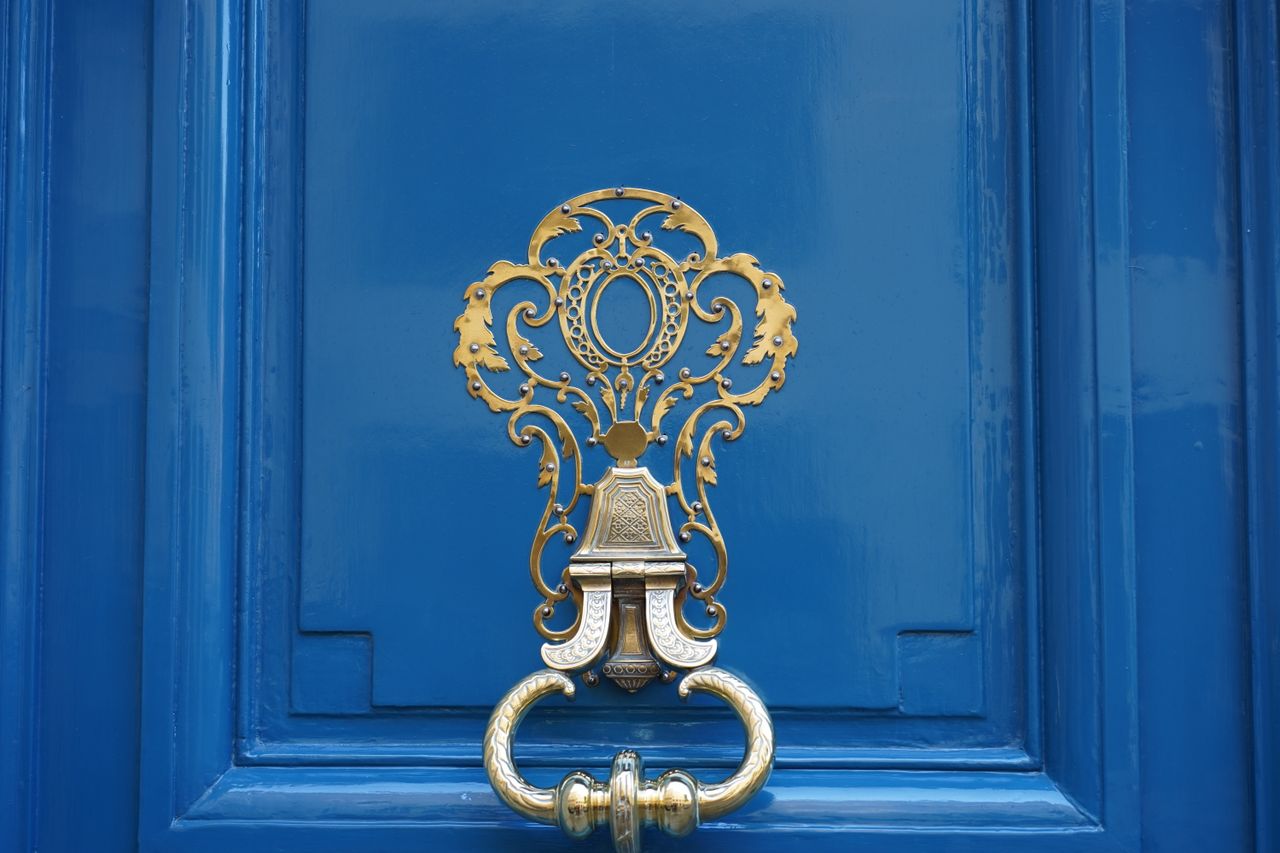
A worn or outdated handle, knocker, lockset, or other hardware can make an otherwise attractive door look neglected. Replacing hardware with a coordinated style can be a relatively simple improvement.
Choose finishes that work with existing exterior fixtures such as light fixtures, mailbox hardware, or house numbers.
Keep the Area Around the Door Clear
Avoid allowing plants, decorations, or furniture to overwhelm the entrance. Visitors should be able to approach and open the door comfortably.
A simple doormat, coordinated planter, or seasonal decoration can add personality while keeping the entrance functional.
What Role Does Outdoor Lighting Play?
Outdoor lighting affects both appearance and functionality. During the evening, carefully positioned lights can highlight landscaping, define walkways, and make the entrance easier to navigate. Good lighting can also help the home maintain visual appeal after sunset rather than limiting its appearance to daylight hours.
Lighting should be used strategically rather than simply adding as many fixtures as possible. Too many bright lights can create glare and make the yard feel less inviting. A combination of pathway lighting, entrance lighting, and selective landscape illumination can create a more balanced result.
Illuminate the Walkway
Low-level pathway lights can help define the route toward the entrance. Space fixtures consistently rather than placing them randomly, and position them so they provide useful illumination without shining directly into visitors’ eyes.
Highlight Landscape Features
Trees, architectural plants, stone features, and other focal points can be subtly illuminated to create depth after dark. Avoid lighting every plant equally; selective illumination generally creates a more natural appearance.
Upgrade the Entrance Fixture
A dated or damaged porch light can undermine other exterior improvements. Replacing it with a fixture that matches the home’s style can provide both functional and visual benefits.
Which Small Exterior Updates Are Worth Considering?
Not every curb appeal improvement requires landscaping or construction. Small details can influence how polished the property looks, particularly when they are coordinated with one another.
House numbers, mailboxes, shutters, porch furnishings, railings, and exterior hardware can all contribute to the overall appearance. Because these features are relatively small, they should support the larger design rather than becoming competing focal points.
Refresh House Numbers
Clear, attractive house numbers make the entrance easier to identify while adding a decorative detail. Choose a size and style that can be easily seen from the street.
Update the Mailbox
If the mailbox is damaged, faded, or significantly outdated, replacing it can improve the appearance of the front yard. Coordinate its style with the home’s exterior and surrounding landscaping.
Maintain Railings and Steps
Loose railings, chipped paint, stained steps, or damaged surfaces can make an entrance appear poorly maintained. Address functional problems first, then consider cosmetic improvements such as cleaning or repainting.
Keep Exterior Fixtures Consistent
Try to coordinate visible hardware and fixtures. Matching or complementary finishes on door hardware, lighting, house numbers, and mailbox details can create a more intentional appearance.
How Can You Improve Curb Appeal on a Limited Budget?
A limited budget does not prevent homeowners from making meaningful exterior improvements. The most effective strategy is to prioritize maintenance and highly visible changes before spending money on major upgrades.
Start with improvements that address obvious problems. Cleaning, trimming, repairing, repainting, and reorganizing existing features can sometimes create more noticeable results than purchasing new decorative items.
Consider these budget-conscious projects:
- Deep-clean exterior surfaces: Removing dirt and buildup can make siding, pathways, and other surfaces look significantly fresher.
- Refresh garden beds: Pull weeds, trim plants, redefine edges, and add a suitable layer of mulch.
- Repaint the front door: A carefully selected color can create a new focal point without replacing the door.
- Replace worn hardware: Updating house numbers, door hardware, or light fixtures can modernize the entrance.
- Add a few coordinated plants: Concentrate on strategic locations instead of filling the entire yard.
- Improve basic lighting: Replace damaged fixtures or add modest pathway lighting where needed.
Completing these projects in stages can make it easier to control expenses while gradually improving the property’s overall appearance.
What Mistakes Should You Avoid When Improving Your Front Yard?
Curb appeal improvements can sometimes have the opposite effect when homeowners focus too heavily on decoration without considering maintenance, proportion, or the home’s existing architecture. A yard can become visually crowded when too many plants, colors, fixtures, or decorative objects are added without an overall plan.
The best approach is usually to make changes gradually. Observe how each improvement works with the rest of the property before adding another major feature.
Avoid Overcrowding the Landscape
Plants need room to grow. Installing too many shrubs or flowers close together may look attractive initially but can create an overgrown appearance later.
Don’t Ignore Maintenance Requirements
A landscape that requires more time, water, or specialized care than the homeowner can provide may quickly lose its appeal. Choose plants and features that are realistic for the available maintenance schedule.
Avoid Blocking Architectural Features
Large plants should not hide attractive windows, columns, entrances, or other architectural details. Landscaping should frame these features rather than cover them.
Don’t Mix Too Many Styles
A modern light fixture, traditional mailbox, rustic planters, and unrelated decorative elements can create a disjointed appearance. Select a consistent visual direction and repeat complementary materials or finishes.
How Can You Create a Maintenance Routine That Lasts?
The strongest curb appeal improvements are the ones that remain attractive after the initial project is finished. Regular maintenance prevents weeds, overgrown vegetation, damaged surfaces, and faded details from undoing the work that has already been completed.
Create a simple routine based on the property’s needs and seasonal conditions. Weekly tasks may include lawn care and basic cleanup, while monthly tasks can include checking exterior fixtures and inspecting plants. Larger projects such as pruning trees, refreshing mulch, cleaning gutters, and repairing surfaces can be scheduled throughout the year.
A practical routine might include:
- Weekly: Remove visible debris, maintain the lawn, and check heavily used entry areas.
- Monthly: Inspect plants, lighting, walkways, containers, and exterior fixtures.
- Seasonally: Prune vegetation, refresh planting beds, clean exterior surfaces, and assess weather-related damage.
- Annually: Review larger landscaping needs, inspect major exterior features, and plan improvements for the coming year.
Consistent care helps preserve the appearance of the property and prevents small maintenance problems from accumulating.
Final Thoughts
Improving a front yard does not have to involve a complete landscape renovation. A thoughtful combination of maintenance, landscaping, pathway improvements, exterior lighting, entrance updates, and coordinated decorative details can significantly improve how a home looks from the street.
Start by cleaning and organizing the existing space before investing in new features. Then identify the areas that attract the most attention, such as the walkway, entrance, garden beds, and visible exterior surfaces. Prioritize improvements that offer practical benefits as well as visual appeal.
Most importantly, treat curb appeal as an ongoing part of home maintenance rather than a one-time project. Regular trimming, cleaning, repairs, seasonal planting, and fixture maintenance will help preserve the results of your improvements.
A welcoming front yard should reflect the character of the home while remaining practical to maintain. With careful planning and gradual improvements, homeowners can create an attractive exterior that looks polished, inviting, and well cared for throughout the year.