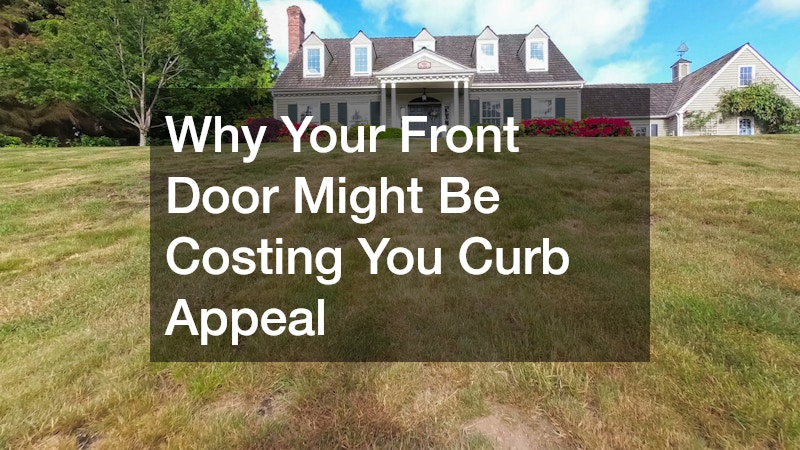
Your front door does more than open and close. It sets the tone for your entire home before a visitor or potential buyer even steps inside, and it silently signals how well the rest of the property is maintained. A dented, faded, or poorly functioning door can undercut even the most manicured lawn or freshly painted siding. The good news is that most curb appeal problems tied to your entry door are fixable once you know what to look for. This guide walks through the most common culprits and how they connect to the rest of your home’s systems.
Faded Paint and Weathered Finishes Send the Wrong Signal
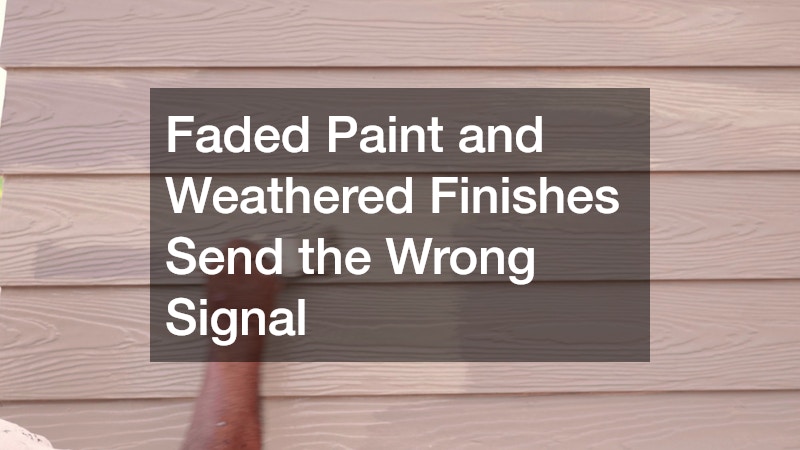
Sun exposure, rain, and temperature swings take a visible toll on a front door’s finish long before they affect anything structural. Chalky, peeling, or blistered paint is one of the first things a passerby notices, and it reads as neglect even if the rest of your home is in great shape. South- and west-facing doors tend to fade fastest since they absorb the most direct UV exposure over the course of a day.
Wood doors are especially vulnerable because they expand and contract with humidity, which causes finishes to crack at the seams over time. Fiberglass and steel doors hold up better against warping, but their factory finishes still chalk and dull years before the door itself wears out. Even a high-quality paint job typically starts showing stress around the four- to five-year mark, especially near the bottom edge where moisture collects.
A fresh coat of exterior-grade paint or stain, applied every few years, keeps the door looking intentional rather than worn down. Semi-gloss and gloss finishes are worth the extra sheen since they shed water more effectively and make small scuffs easier to wipe clean. Before repainting, a quick scrape and sand of any flaking areas prevents the new coat from bubbling over old damage. It’s a small, low-cost project, but skipping it is one of the fastest ways to make a well-maintained home look tired from the curb.
Beyond aesthetics, a compromised finish leaves the underlying material exposed to moisture, which can accelerate rot in wood doors or corrosion in steel ones. Once the protective layer of paint or sealant breaks down, water seeps into the grain or seams of the door and has nowhere to evaporate, creating the perfect conditions for slow, hidden damage. Catching this early is far cheaper than waiting until the damage spreads into the frame or threshold, where repairs often mean replacing structural components rather than simply refinishing a surface.
If you notice soft spots, bubbling paint, or discoloration near the bottom of the door, it is worth inspecting further before it becomes a bigger structural issue. Press gently on suspicious areas with your thumb or a flathead screwdriver; if the wood gives way or feels spongy, rot has likely already set in beneath the surface. On steel or fiberglass doors, watch for rust spots, small bubbles under the paint, or a chalky residue, all of which signal that the finish is no longer doing its job.
Pay particular attention to the bottom corners and the area around the threshold, since these spots take the brunt of rain splashback and snowmelt. A door that looks fine at eye level can still be quietly deteriorating just inches from the ground. Catching these warning signs within the first year or two of wear typically means a simple sanding, priming, and repainting job costing well under $100 in materials, compared to a full door or frame replacement that can run well into the hundreds or even thousands of dollars.
Dents, Scratches, and Surface Damage Add Up Over Time
Steel and fiberglass doors resist weather well, but they are not immune to dings from delivery carts, pet claws, or accidental bumps with furniture during a move. A few scratches might not seem like a big deal individually, but collectively they make a door look tired and poorly kept. Because the front door is often the single largest visual element near your entryway, even minor damage draws the eye more than you’d expect.
Homeowners sometimes try to patch these issues themselves with touch-up paint, but mismatched color or texture can make the damage more obvious rather than less. In many cases, professional entry door repairs can restore a damaged surface to near-original condition without the cost of a full replacement. It’s worth getting an assessment before assuming a scratched or dented door needs to be swapped out entirely.
Warped Frames and Sticking Doors Point to Bigger Problems

A door that no longer sits flush against its frame also lets in drafts, which affects comfort and energy bills year-round. Even a gap as small as 1/8 inch around the perimeter can let in a noticeable amount of outside air, forcing your HVAC system to work harder. That extra strain is the same reason many homeowners end up calling for AC repair sooner than expected, since a unit constantly compensating for drafty gaps wears down faster. Beyond the energy cost, that same gap is an open invitation for moisture, dust, and pests, compounding the very problem that caused the door to warp in the first place.
This kind of misalignment frequently overlaps with broader moisture and home systems issues near the entryway, including situations that call for water damage repair around the entryway if leaks have made their way into the surrounding wall cavity. In older homes, entryway closets or nearby utility spaces sometimes share plumbing lines with the water heater, so a musty smell or unexplained dampness near the door can occasionally point to a leak that also warrants water heater repair rather than just frame maintenance. Telltale signs include soft or discolored trim, a musty smell near the threshold, or paint that’s bubbling on the interior wall closest to the door. In some cases, the water source isn’t obvious from the outside—it could be a failed seal at the top of the frame or flashing that’s been improperly installed above the entryway.
Outdated Hardware Undercuts an Otherwise Nice Door
A quality door can still look dated if the hardware hasn’t been updated in twenty years. Tarnished brass knobs, mismatched hinges, or a builder-grade deadbolt all chip away at the polished look you’re going for. Hardware finishes have trends just like paint colors, and matte black, brushed nickel, and aged bronze have largely replaced the shiny brass finishes that were standard in decades past.
Updating hardware is one of the most affordable ways to modernize a front door without touching the door itself. It also gives you a chance to improve security with a higher-grade deadbolt or smart lock. Consider swapping out house numbers and the light fixture near the door at the same time, since a cohesive look makes a bigger impression than any single piece on its own.
A Weak or Flickering Porch Light Undermines First Impressions
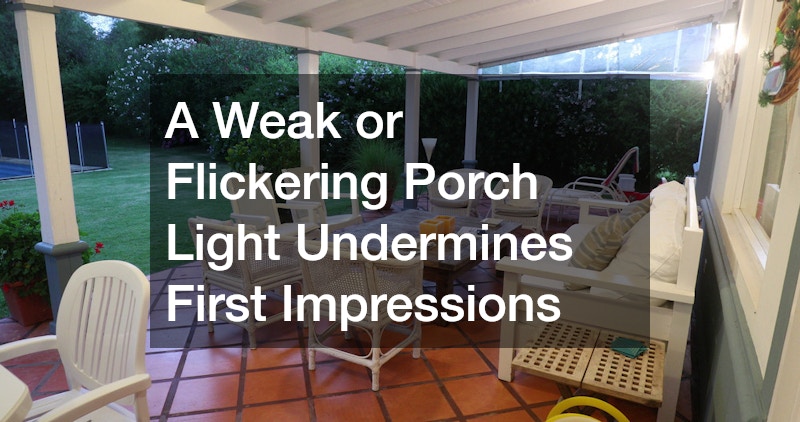
Curb appeal isn’t just a daytime concern. A dim, flickering, or outdated porch light makes a home look uninviting after dark and can even raise safety concerns for visitors navigating steps or uneven walkways. Many homeowners overlook this fixture because it’s easy to forget when you’re only thinking about the door itself.
If the light near your entry has been flickering, it may point to a loose connection or a failing fixture rather than just an old bulb. In some cases, electrical issues near the entryway are connected to broader home systems, and homeowners troubleshooting related issues sometimes discover it overlaps with heating system wiring routed through the same junction boxes, which is why an electrician working on a flickering porch light will occasionally recommend calling a boiler repair service if the wiring in question also feeds the heating unit. A quick inspection can rule out anything serious and get your entryway looking bright and welcoming again.
Garage Doors Visible From the Street Compete With Your Entry
For many homes, the garage door takes up more visual real estate on the front facade than the entry door itself, especially on properties with attached two-car garages. If your garage door is dented, sagging, or mismatched in color to the rest of the exterior, it can pull attention away from an otherwise well-maintained front door. Buyers and visitors tend to scan the whole facade, not just the entryway, so an eyesore anywhere nearby drags down the overall impression.
A garage door that struggles to open smoothly, makes grinding noises, or hangs unevenly is often signaling worn rollers, springs, or track alignment issues. Scheduling garage door repair before the problem worsens keeps both the function and the appearance of your home’s exterior intact. Since this door is used daily, addressing wear early also prevents a minor issue from turning into a costly replacement.
Overgrown Landscaping Can Hide a Beautiful Door

Sometimes the front door itself is in great shape, but overgrown shrubs, climbing vines, or an unpruned tree branch obscure it from view entirely. Landscaping that crept up over a season or two can block natural light from reaching the entryway and make the whole facade feel cluttered and uninviting.
Trimming back greenery near the door not only improves visibility but also reduces moisture buildup against the frame, which helps prevent the kind of rot and warping mentioned earlier. Aim to keep at least a foot of clearance between plants and the door frame, and prune seasonally so growth doesn’t sneak up again before you notice.
Mismatched Colors Between the Door and the Rest of the Home
A bold front door color can be a great design choice, but only when it complements the rest of the exterior. A bright red or teal door on a home with clashing brick or siding tones can look like an afterthought rather than an intentional design decision. Color consultations are inexpensive and can save you from a repaint down the road if the shade doesn’t work once it’s actually on the door.
- Test paint swatches in both morning and evening light before committing
- Choose a color that complements your roofline and trim, not just the siding
- Consider how the color reads next to neighboring homes for context
- Avoid trendy colors if you plan to sell within a few years
Entry Area Systems That Often Get Overlooked During Upgrades
When homeowners focus on the front door itself, it’s easy to forget about the systems running nearby that also affect how the entryway functions and feels. A whole-home generator installed near the front walk, for instance, needs periodic generator repair to keep it running quietly and reliably without becoming an eyesore near the entrance. Similarly, homes relying on well water sometimes route plumbing near the front of the house, and neglected well pump repair can lead to pooling water or soft ground right where guests approach the door.
These systems rarely get attention until something breaks, but proactive maintenance keeps the area around your entryway looking clean and functioning well. If you’re already investing in your front door’s appearance, it makes sense to have these adjacent systems checked at the same time so the whole area feels cohesive and well cared for.
Coastal and Waterfront Homes Face Additional Entry Challenges
Homes near the water deal with a unique set of curb appeal pressures, since salt air accelerates corrosion on door hardware and hinges faster than in inland climates. Homeowners in these areas often find that fixtures need replacing more frequently, and it helps to choose marine-grade hardware from the start. Beyond the door itself, waterfront properties also need to keep an eye on structural elements that protect the whole property, since seawall repair becomes essential when erosion starts creeping closer to the house and undermining the stability of the land the entryway sits on.
Keeping an eye on both the small details, like a corroding hinge, and the larger structural picture, like shoreline stability, ensures your entryway doesn’t just look good but sits on solid ground for years to come. Coastal homeowners benefit from more frequent inspections than their inland counterparts simply because the environment is harder on every exterior material.
Your front door is one of the most noticed features of your home, but as this guide shows, its impact on curb appeal is tied to far more than just the door itself. Paint condition, hardware, lighting, nearby landscaping, and even adjacent home systems all play a role in the first impression your house makes. Take a walk to your curb, look at your entryway with fresh eyes, and make a list of what needs attention. Addressing even a few of these issues can make your home feel more welcoming and better maintained almost overnight.